PFAS: Science, Risk, and Communication
“The most effective thing to do when communicating about PFAS to a public audience is telling people what they can do and giving them information on how to figure out if your water is ok, and if it’s not, the steps that you can take. ”
“So there are a couple ways to protect ourselves, (1) if you are in a private well, get your water tested and if you are in a municipality, they now have to test for PFAS—you can go and look at what the PFAS levels are in your water to know what the levels are”
A conversation with Gavin Dehnert (Emerging Contaminants Scientist, University of Wisconsin–Madison) and Lyn van Swol (Professor of Communication Arts, University of Wisconsin–Madison) about Perfluoroalkyl and Polyfluoroalkyl Substances (PFAS)--also known as "forever chemicals". We discuss their movement and origin, toxicity, and strategies for communicating risks and resources for different communities. Released September 25, 2026. Access the PFAS Communications Guide here.
guests on the show
Gavin Dehnert

Dr. Gavin Dehnert is an Emerging Contaminants Scientist in the Aquatic Sciences Center at the University of Wisconsin–Madison. Dr. Dehnert’s aquatic toxicology group at UW–Madison focuses on the impacts of contaminants on aquatic plants and organisms. His team studies the fate of contaminants, such as PFAS, pesticides, and microplastics, across the food web and within organisms. They study the impacts of the contaminants on the health of the animals including immunological, hormonal, and behavioral endpoint. By studying these impacts on aquatic animals, Dr. Dehnert aims to understand how ecologically relevant concentrations of contaminants impact our aquatic ecosystems and provide data driven science for management agencies to protect our natural resources.
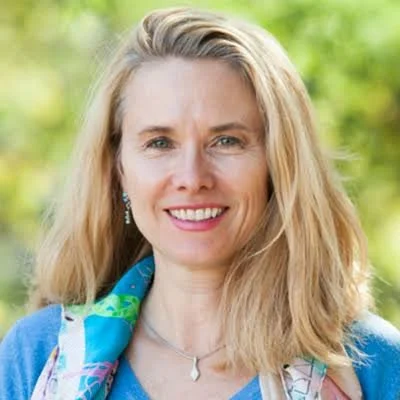
Lyn van Swol
Dr. Amaya Atucha is a Professor and the Gottschalk Endowed Chair for Cranberry Research in the Department of Plant and Agroecosystem Sciences at the University of Wisconsin–Madison.
Dr. van Swol researches information sharing in groups, utilization of advice, persuasion, language use in groups, chatbot communication, and the role of strategic persuasive messages in environmental communication. All of her research shares the theme of examining what factors are likely to increase acceptance of information during an interaction. The role of group discussion in facilitating persuasion, especially concerning environmental topics is a theme of several current research projects. She is especially interested in how peer groups can set norms through group discussion to encourage pro-environmental behavior. Current research examines how strategic messages can increase acceptance of advice for the mitigation of PFAS harms. Other research projects examine how language used in groups or by chatbot partners can affect emotions, conflict, and persuasion in a group discussion. Language use may be a window into group processes.
TRANSCRIPT
Coming Soon!